


ELECTRIC HEATING SOLUTIONS
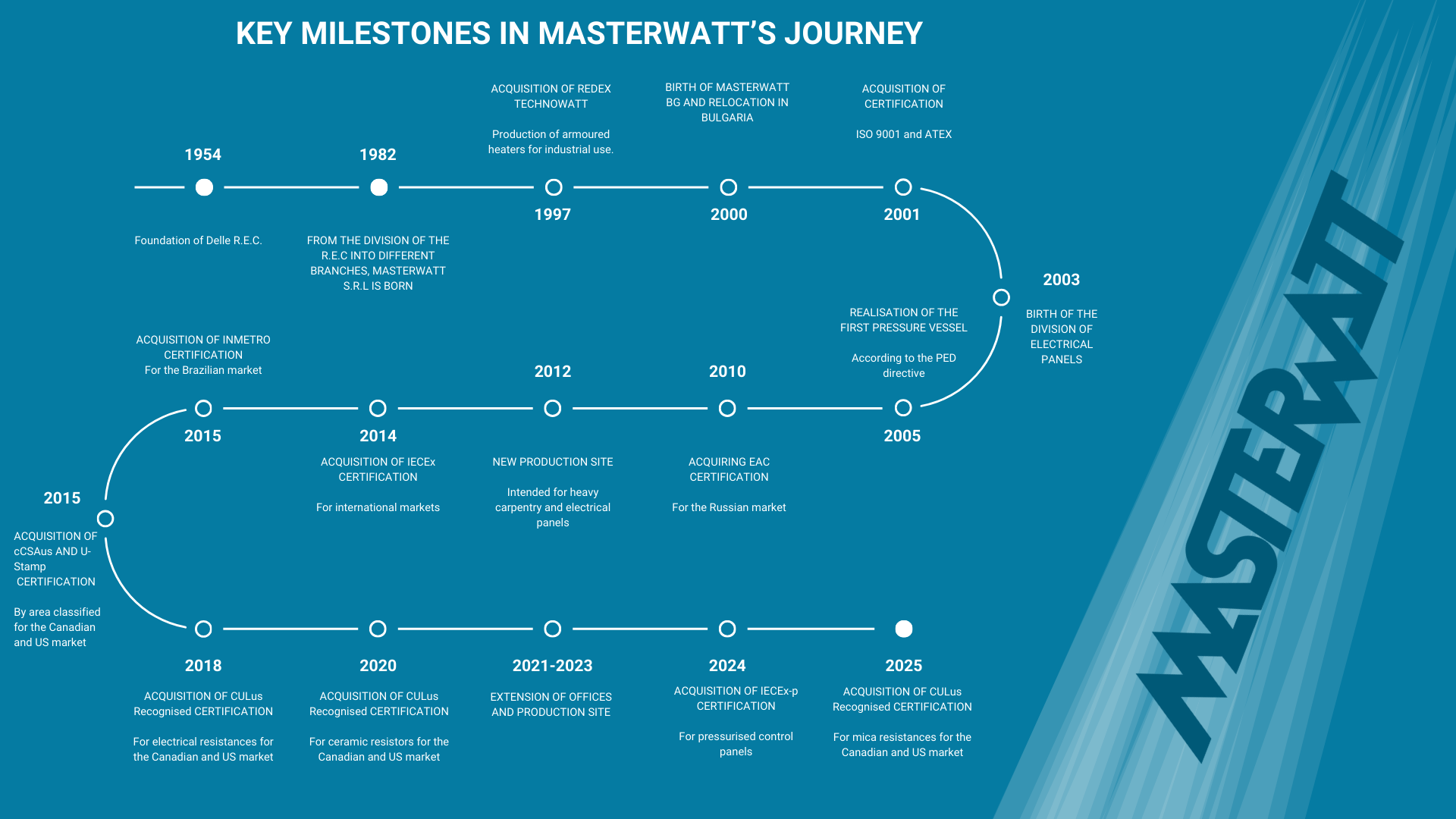
Since 1982
Over 40+ experince
Globally certified

100+ employees

Headquater
€26 million
in annual revenue

About us
For over 40 years, Masterwatt is committed to the research, development and production of solutions for industrial electric heating, with a now consolidated presence on the global market and guaranteeing high standards of quality and service.
With an ever-increasing need for electrification of industrial processes, with a view to environmental impact and emission reduction, Masterwatt electric heaters represent the ideal solution for the ecological transition and a more sustainable future.


Inspire passion, pursue excellence
To be an inspiration for our social and work community by increasing passion and competence in our sector.
Become a fundamental piece in the energy transition by actively contributing to the sustainability of our planet through the continuous innovation of products and services.
People, solutions and competence
Provide reliable and highly customised electric heating solutions designed and implemented in an efficient, agile and streamlined way.
Operate as a global and digitised company, capable of attracting, training and retaining talented and competent people.
Immersion heaters
HEATERS ON FLANGE
-
Flanges made from:
Carbon steel (for lower temperatures)
AISI 304/316L stainless steel
Nickel alloys (for extreme temperatures and corrosive conditions)
Can be supplied according to:
EN1092‑1, ASME B16.5,
or custom designs.
-
Housing protection grades: IP65, IP66, IP67, IP68.
Housing materials: carbon steel, aluminum, AISI 304, AISI 316.
Optional:
NEMA 4 or NEMA 4X housings
Thermostats and/or temperature probes
Power supply:
Single‑phase or three‑phase
Power range: 400 W to 5 MW
-
Safe‑area certifications: CE, IEC, EAC, UL‑Recognized heating elements.
Hazardous/explosive‑area certifications:
ATEX, IECEx, EAC, UKCA, INMETRO, cCSAus
-
Available in multiple sizes for installation on pipes or tanks.
Power density up to 7 W/cm².
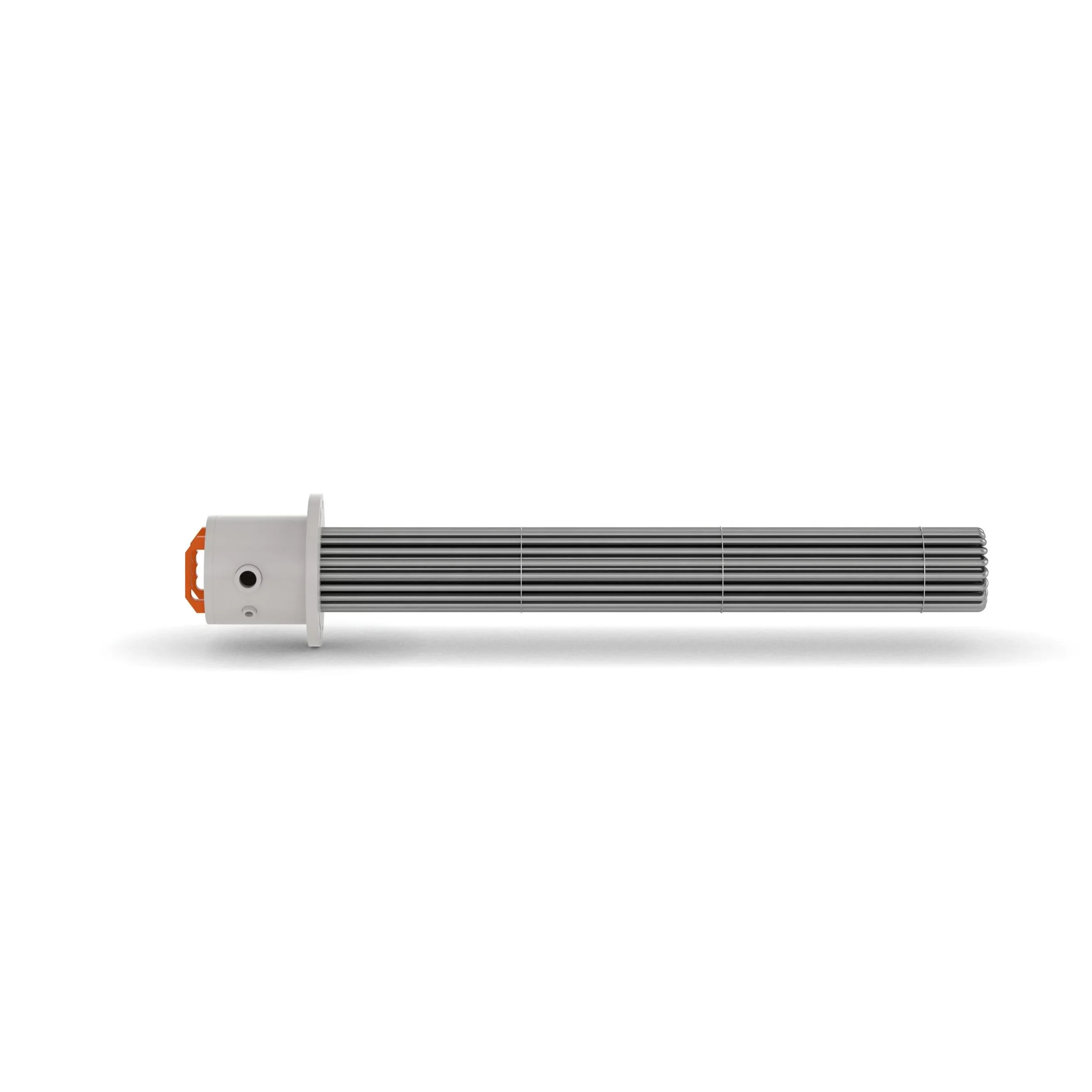
HEATERS ON FLANGE
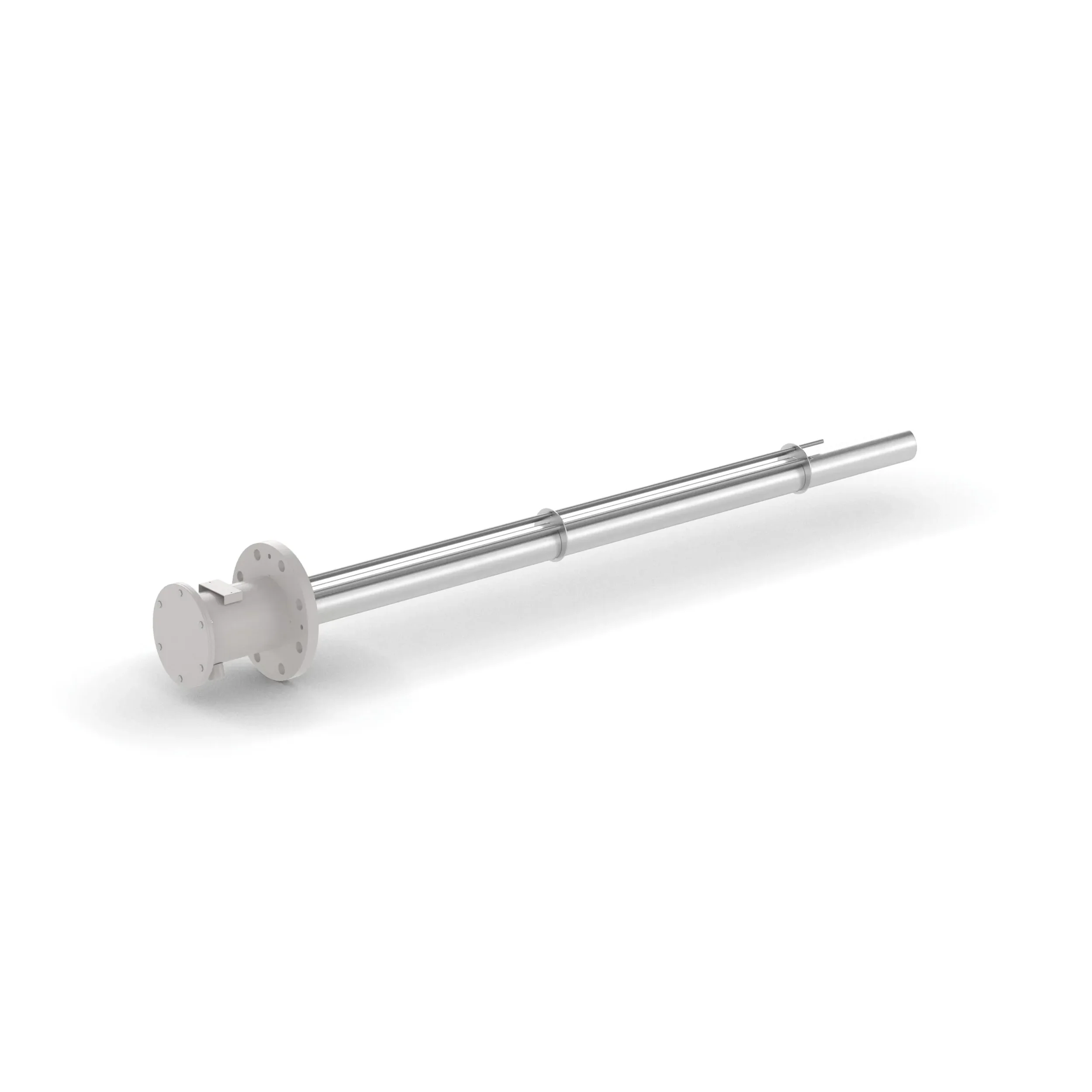
Single-tube electric heaters are heaters that can guarantee a high ease of maintenance and suitability for applications with corrosion problems.
The design of the heater involves the use of heating cartridges inserted into a tube in AISI 316L or other suitable material, depending on the corrosiveness of the heated fluid. To replace a heating element, it is sufficient to remove the affected cartridge without having to remove the heater and consequently discharge the fluid inside the tank.
Single-tube electric heaters can be mounted on both a threaded cap and a flange. They are characterised by a specific power for a single cartridge up to 2.5 W/cm² and can be supplied with a wide range of supply voltages both single-phase and three-phase, with total powers from 400W up to 200kW
The certifications available for explosive areas are CE, EAC, UKCA, IECEx, INMETRO with Ex-d or Ex-e housing.
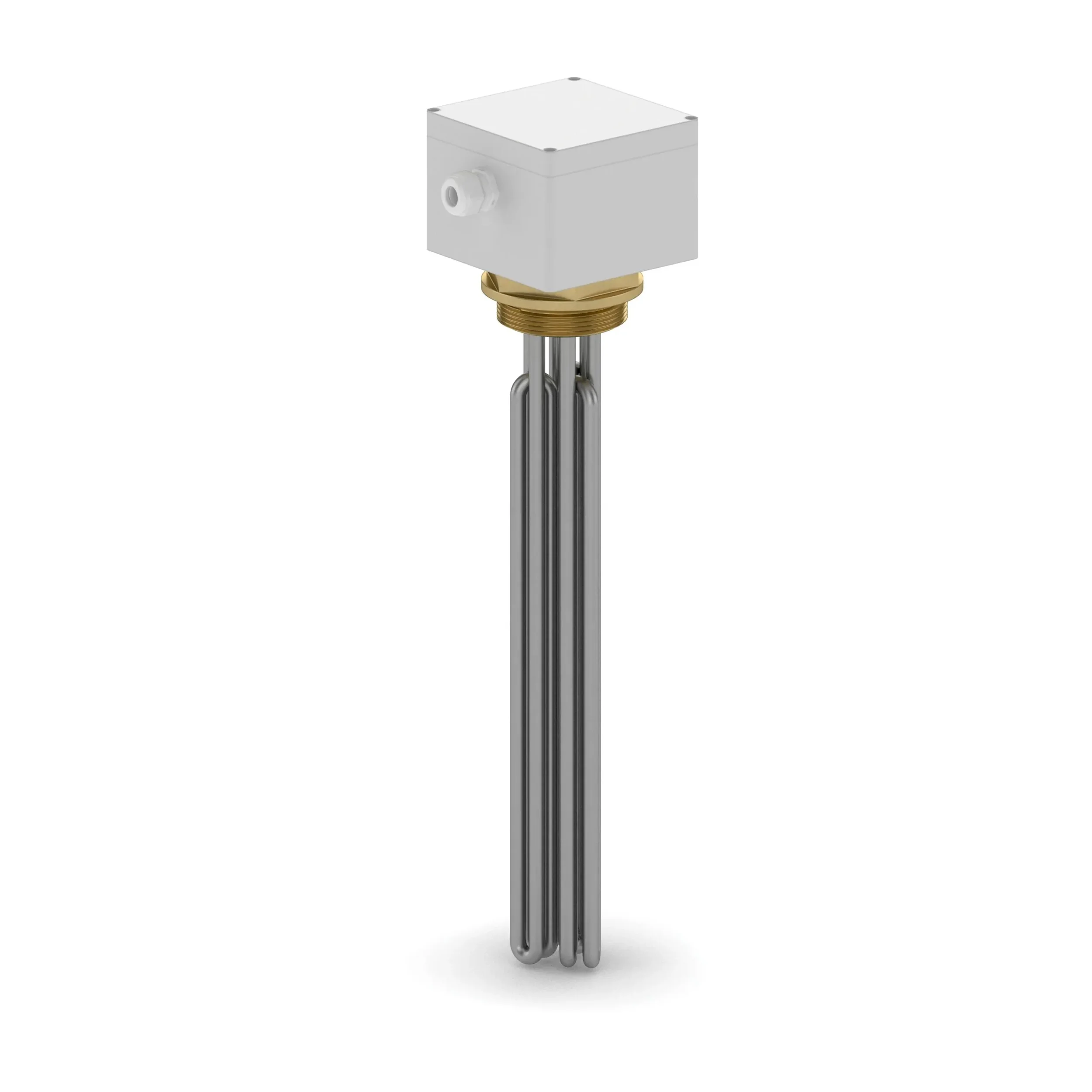
CAPS
-
Compact armoured heaters designed for installation on tanks.
Suitable for a variety of industrial heating applications.
-
Heating elements can be mounted on:
Brass caps
AISI 316 stainless steel caps
Configuration depends on operating temperature and fluid type.
Specific power available up to 7 W/cm².
-
Electrical housing options:
Aluminum
Polycarbonate
AISI 316 stainless steel
Protection grades available: IP40, IP65, IP66, IP67, IP68
Optional features:
NEMA 4X protection
Versions without housing
Up to two thermostats, temperature probes, or thermocouples
-
Wide range of supply voltages (single‑phase or three‑phase).
Power ratings from 400 W to 16 kW.
-
Safe‑area certifications:
CE, IEC, EAC
UL‑Recognised heating elements
Explosive‑area certifications:
ATEX, IECEx, EAC, UKCA
Bath Heater
CAST ALUMINIUM HEATER
HEAT EXCHANGERS
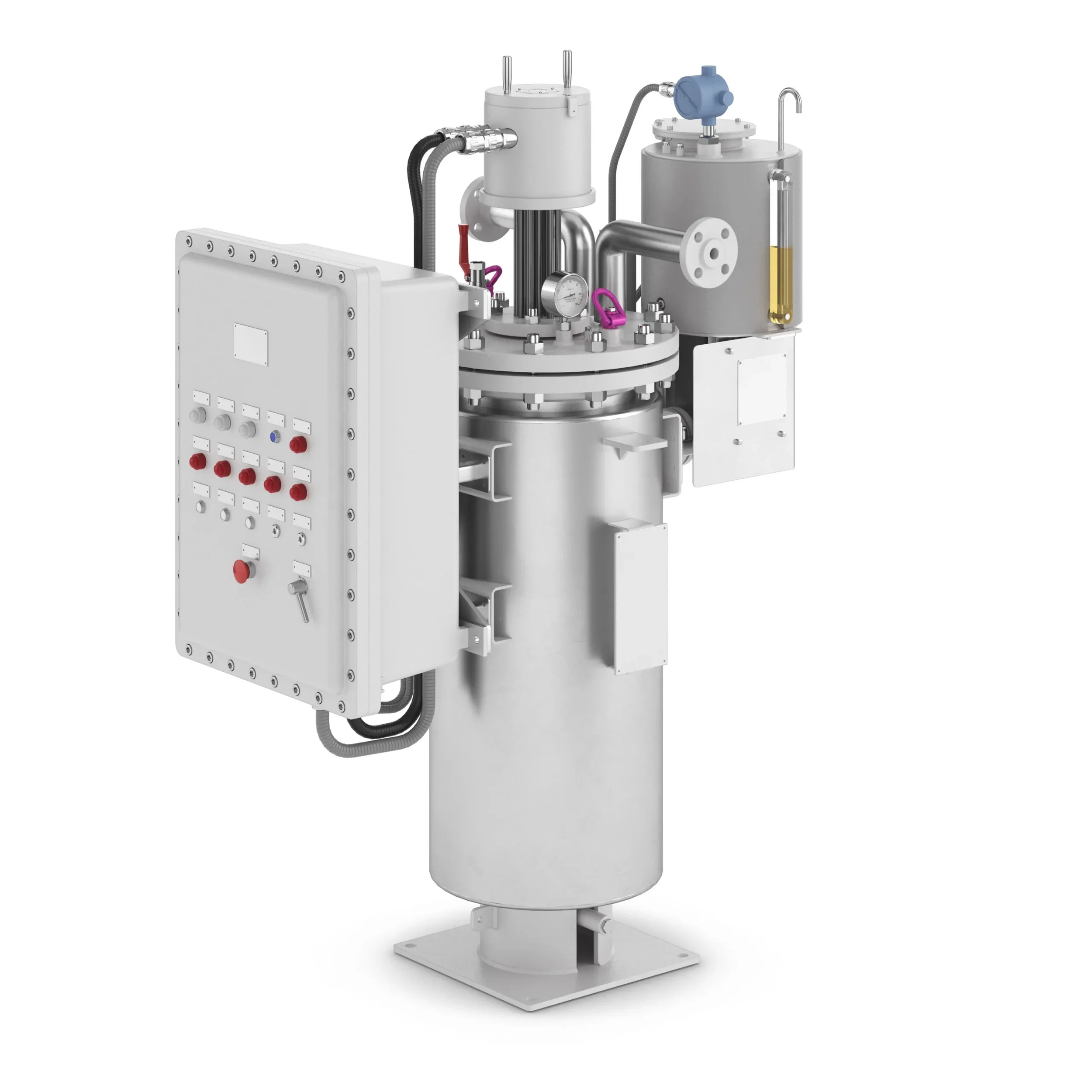
Less efficient than direct exchangers but needed for aggressive process fluids.
Designed for explosive environments.
Suitable up to 750 kW and 250°C.
Process fluid runs through a coil immersed in a secondary fluid (water/glycol/oil).
Heating elements are protected from corrosion.
Requires safety devices: level control, expansion vessel, safety valve.
Built with IP66–IP68 protection.
Certifiable under PED, ASME (U‑Stamp), and for explosive areas: ATEX, IECEx, EAC, cCSAus, INMETRO.
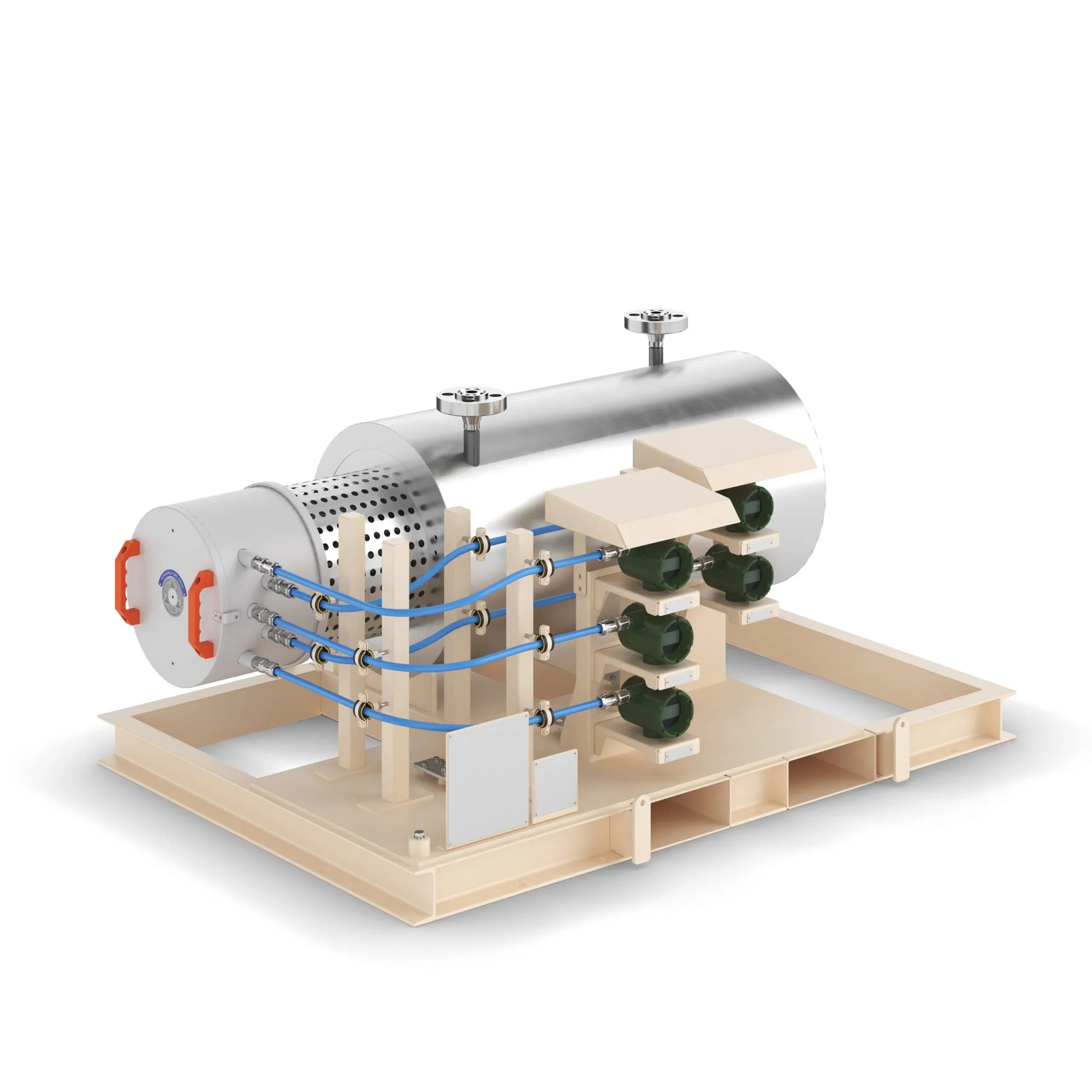
Ideal for tight‑space installations such as skis or platforms.
Cast aluminum exchangers are indirect, monolithic heating systems with heating elements and the fluid coil embedded in a single aluminum block.
Suitable for stable process conditions, e.g., heating high‑pressure natural gas up to 600 bar, 350 °C, and 300 kW.
Difficult to maintain because internal heaters cannot be replaced.
No secondary fluid required, eliminating safety devices like level sensors and expansion vessels, increasing system safety.
Available with IP66–IP68 protection.
Certifiable for explosive areas (ATEX, IECEx, cCSAus, INMETRO) and as pressure equipment (PED, ASME).
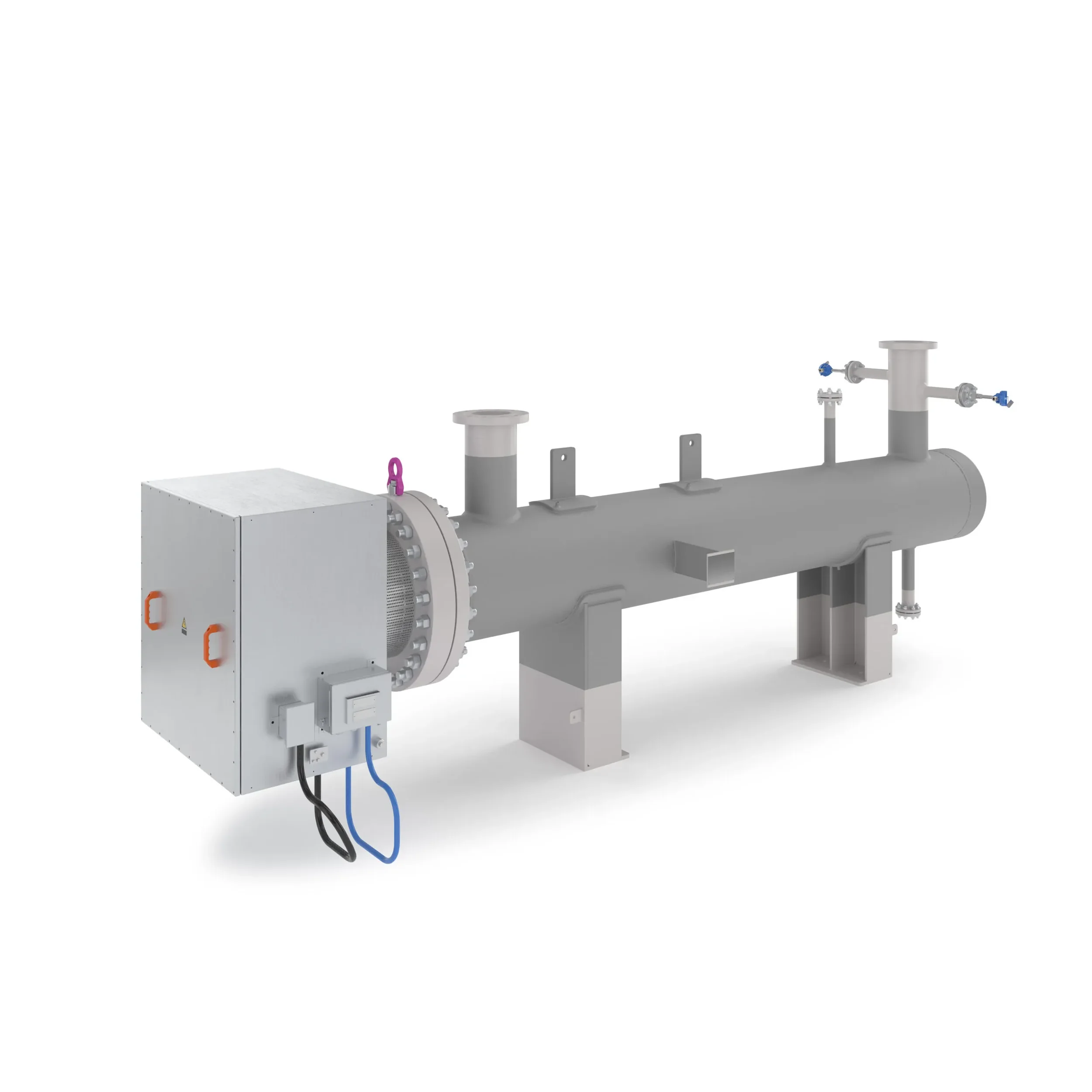
Designed according to customer‑specific fluids and applications, defining power levels and construction materials (e.g., carbon steel or stainless steel mantles).
Heat exchangers heat fluids in forced convection using armoured electric resistors placed directly in contact with the fluid for efficient heat transfer.
Custom design is supported by thermodynamic calculation software to analyse operating conditions and optimise performance and pressure drop.
Heating power is regulated by SCR (Solid Control Relay) systems for precise control.
Available with power ratings up to 5 MW and project pressures up to 200 bar.
Optional thermal insulation upon request.
Built with IP66–IP68 protection.
Certifiable as pressure equipment under PED or ASME (including U‑Stamp).
For explosive areas, compliant with ATEX, IECEx, EAC, cCSAus, INMETRO certifications.
process heaters
ANTI-CONDENSE
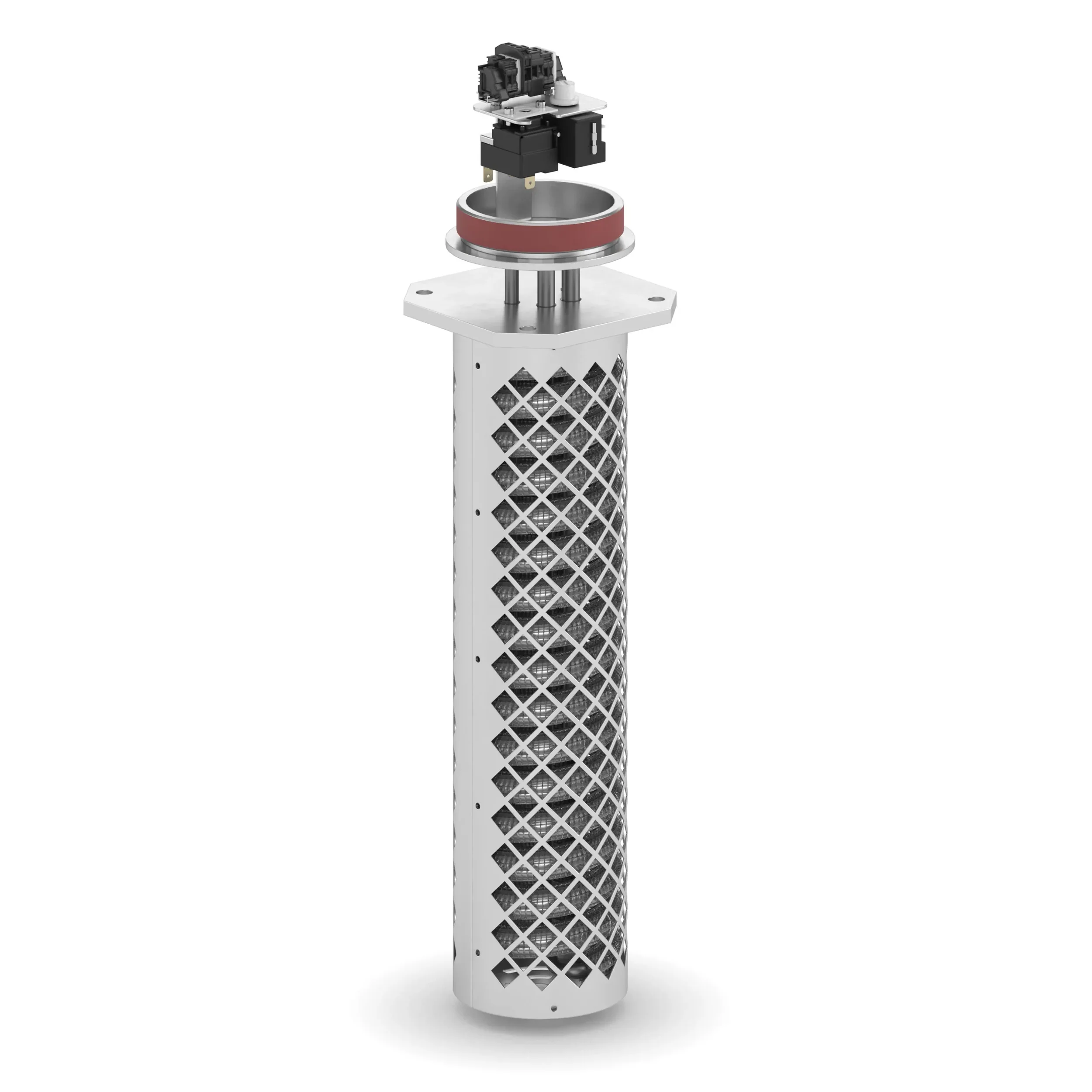
Anti‑condensation heaters are designed to warm small rooms under 20 m³ to prevent moisture buildup. They work in static air with low power so the heating element stays within safe temperatures without needing a control system. Users simply monitor the room and switch the heater off when the desired temperature is reached. For models used in potentially explosive atmospheres, the maximum allowed ambient temperature is listed on the nameplate and must not be exceeded.
Electrical contact housings are available in Ex‑d (explosion‑proof) or Ex‑e (increased safety) versions.
For safe areas, certifications include CE, IEC, EAC, and UL‑Recognised elements; for explosive atmospheres, ATEX, IECEx, EAC, UKCA, and INMETRO.
Air heaters
Batteries
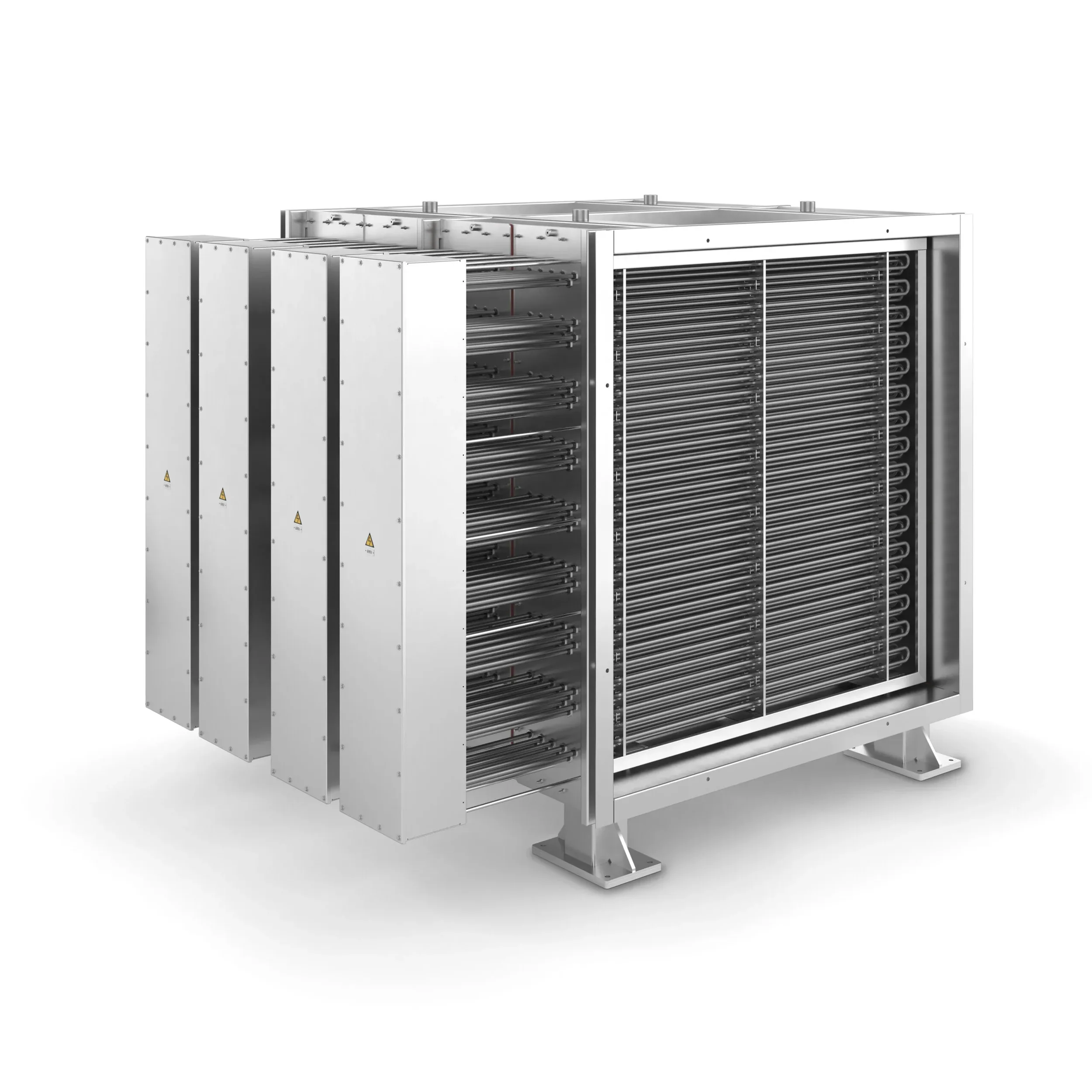
Heating batteries warm air or gas in ducts or pipes, typically using finned elements for efficient heat transfer. They are designed according to system conditions and customer requirements, including fluid temperature, specific power, pressure drop, and maximum allowed surface temperature.
The temperature class determines the required safety devices. Electrical housings are available in Ex‑d (explosion‑proof) or Ex‑e (increased safety) versions.
Certifications include CE, IEC, EAC and UL‑Recognised elements for safe areas, and ATEX, IECEx, EAC, UKCA, and INMETRO for explosive atmospheres.
Electrical contact housings are available in Ex‑d (explosion‑proof) or Ex‑e (increased safety) versions.
For safe areas, certifications include CE, IEC, EAC, and UL‑Recognised elements; for explosive atmospheres, ATEX, IECEx, EAC, UKCA, and INMETRO.
AEROTHERMI
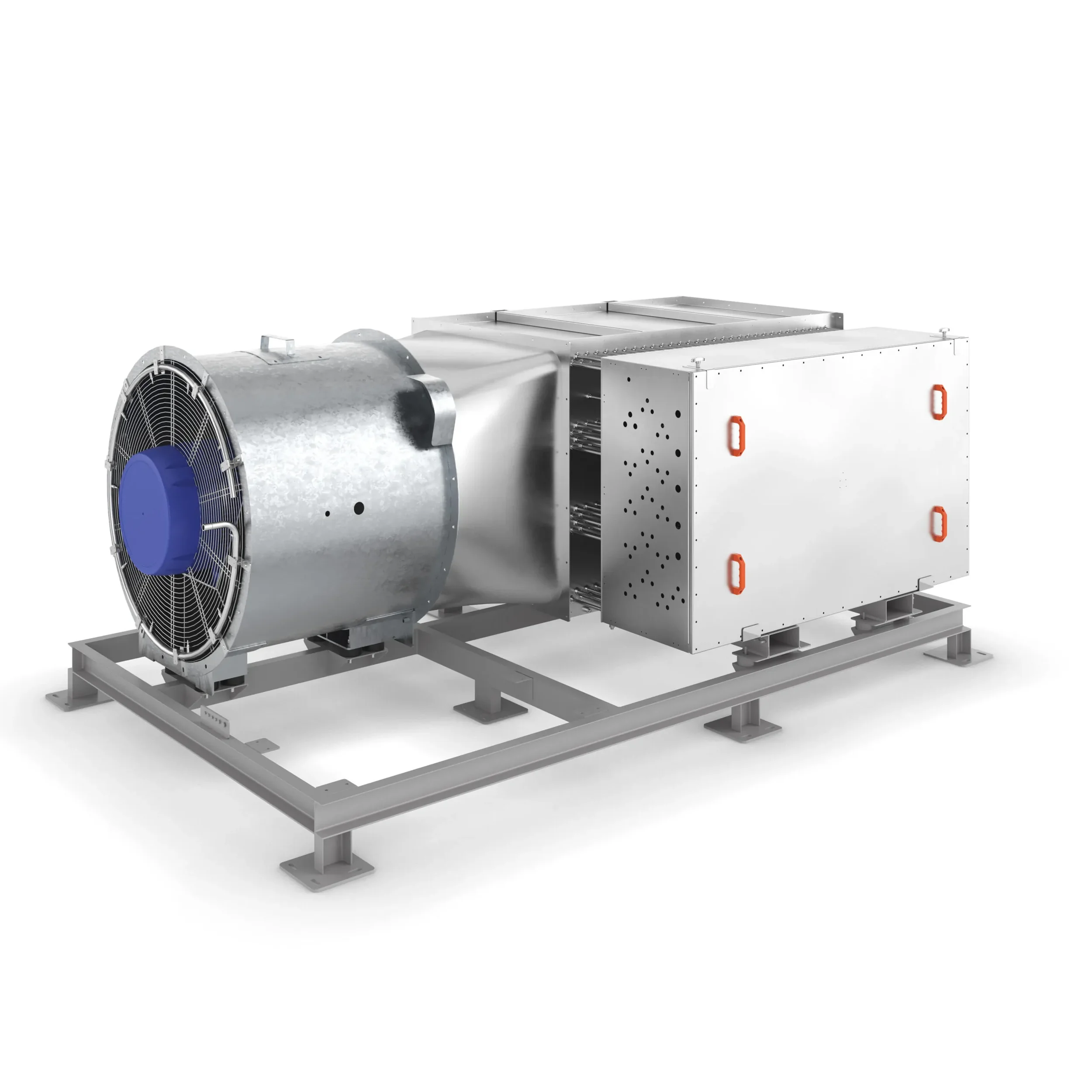
Air heaters (also called “Fan Heaters”) are heaters based on a forced air flow and are commonly used for air heating, both in safe areas and in environments with a risk of explosion.
They guarantee fast and efficient heating because they usually use finned elements that allow optimal heat exchange and because the heater is designed in combination with the fan that is integrated into the product.
The elements are in AISI 316 but can also be in INCOLOY 800 in high temperature applications (normally provided only in safe area systems).
Plastic heaters
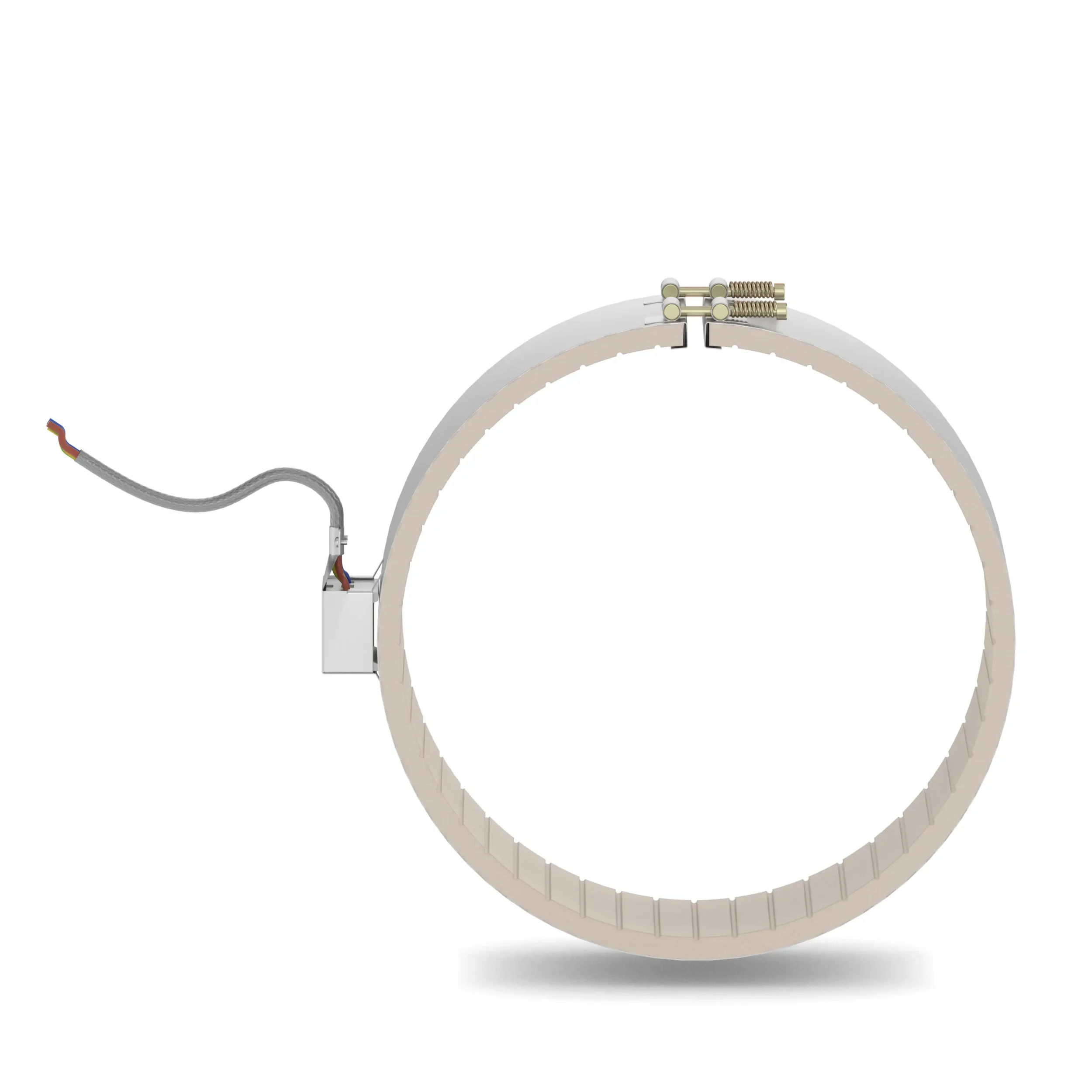
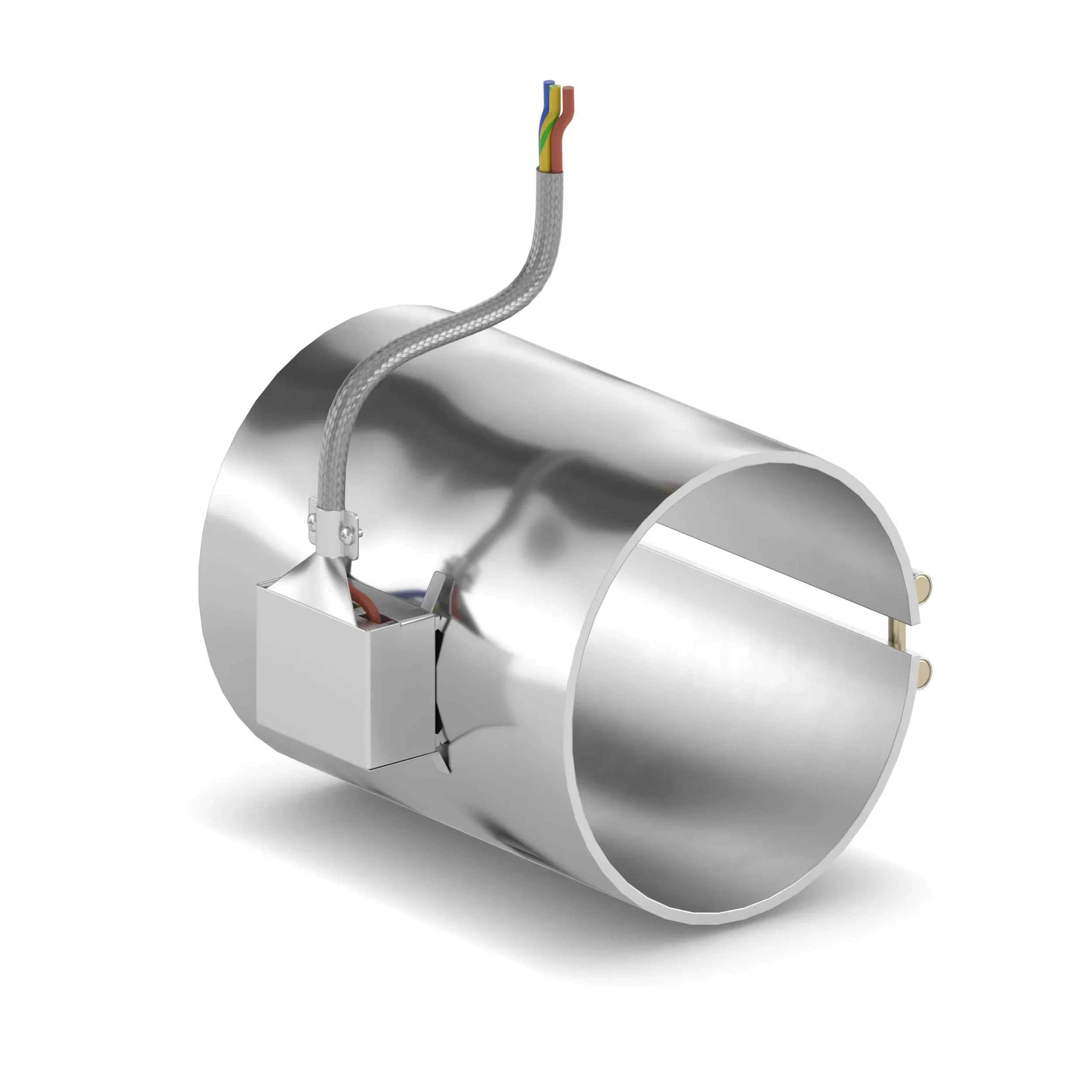
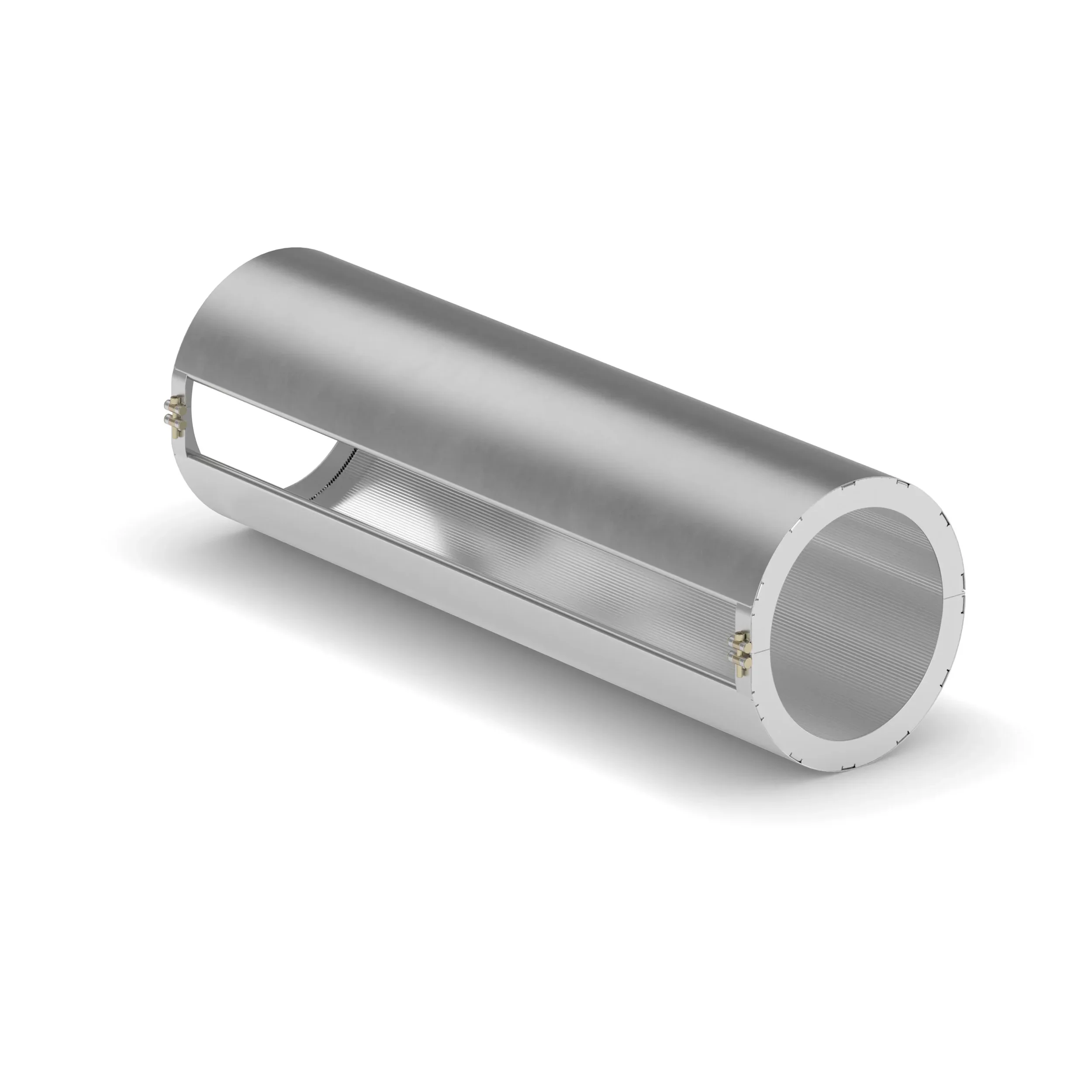
Plastic heaters are used to heat components involved in plastic molding, extrusion, and processing, ensuring materials reach the correct temperature for shaping and flow. [masterwatt.it]
These heaters are engineered for:
Heating plastification cylinders in injection molding and extrusion machines.
Maintaining stable, uniform temperatures to ensure consistent product quality.
Withstanding high operating temperatures often required in heavy-duty industrial plastic operations.
Improving energy efficiency and process control through advanced, customizable designs.
Plastic heaters provide:
Accurate temperature control (essential for melt quality).
Durability, even under demanding industrial conditions.
Customization to fit specific machinery and production needs.
RESISTANCES :
KERAPLAST
INDUCTION SYSTEMS
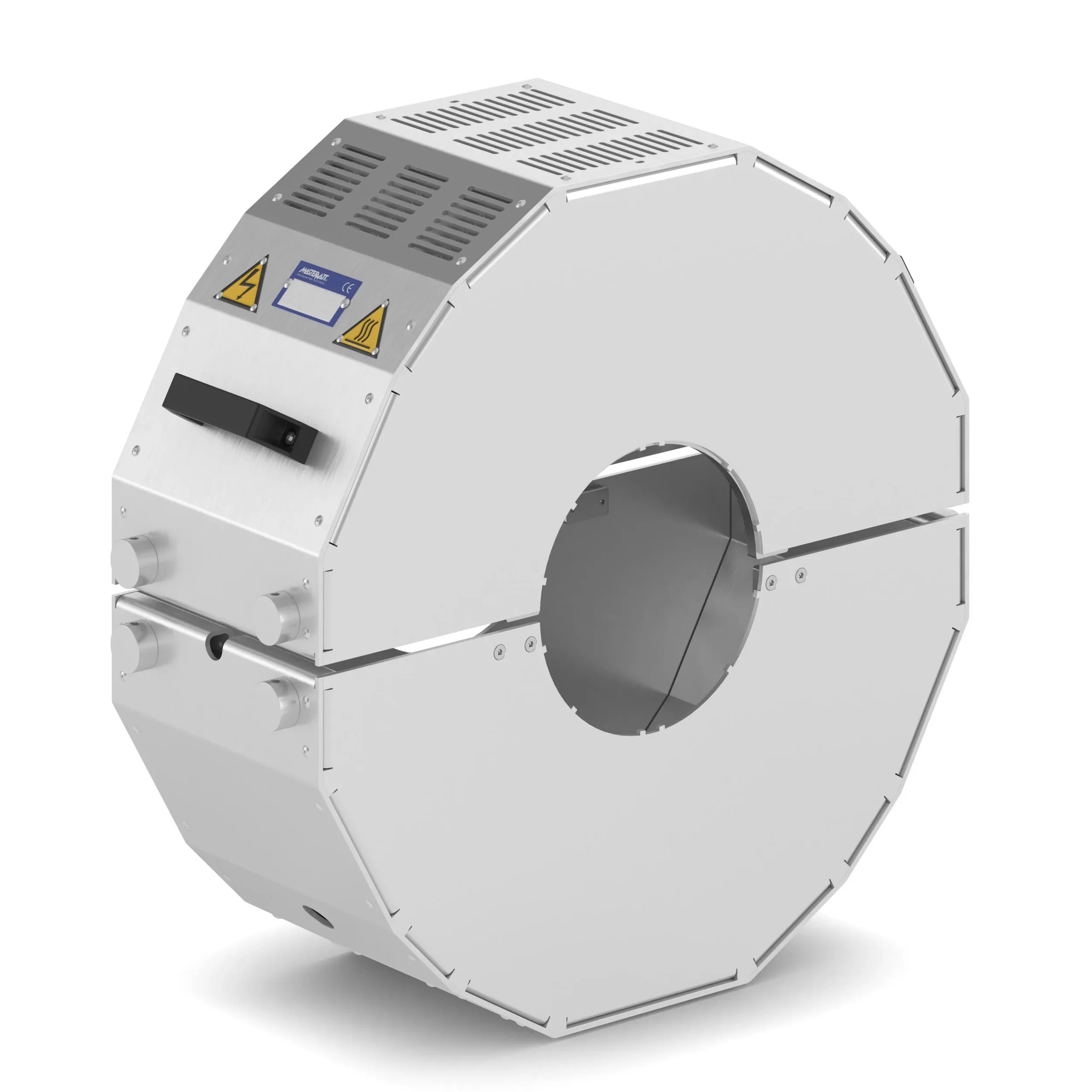
VENTILISORAD
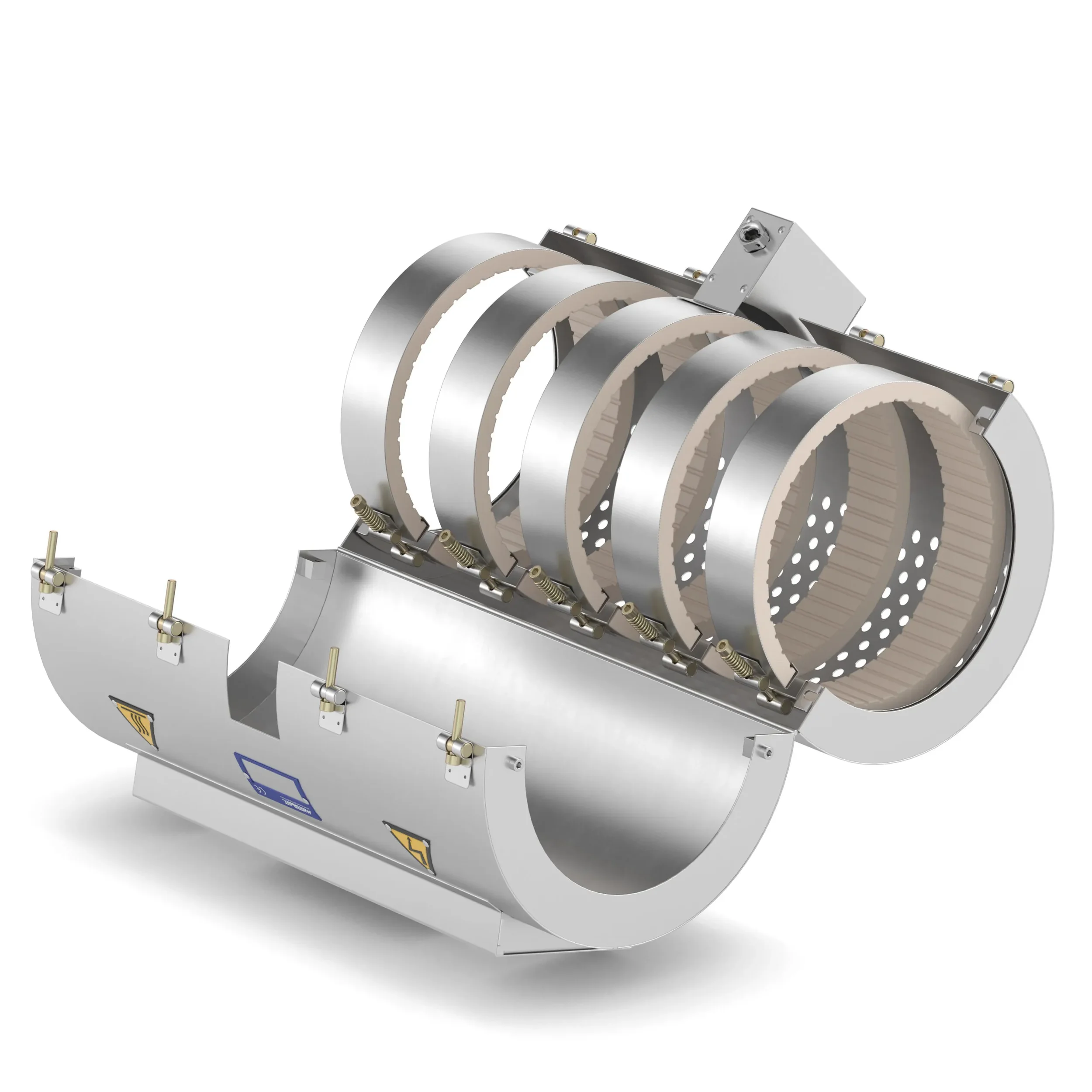
KERASTRIP
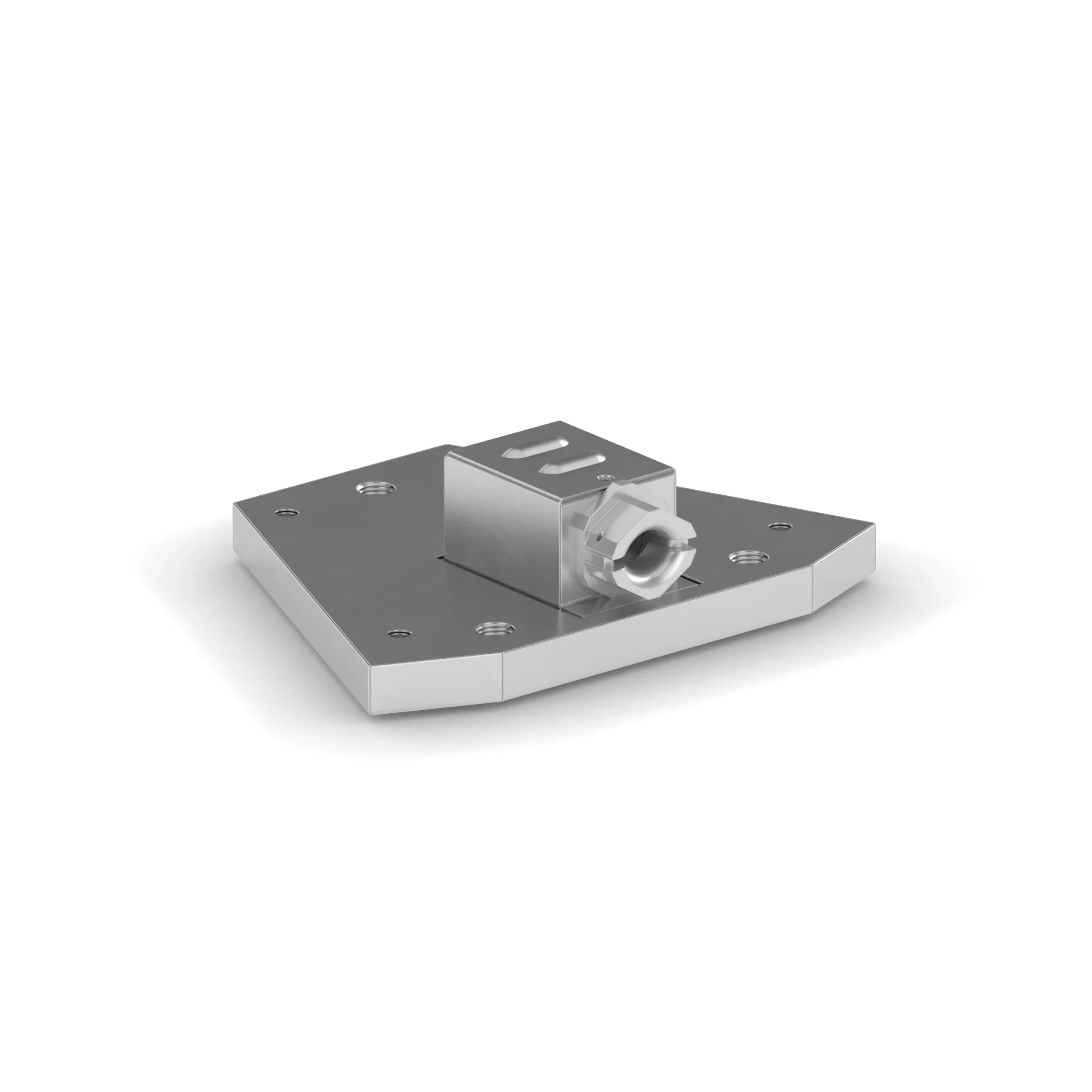
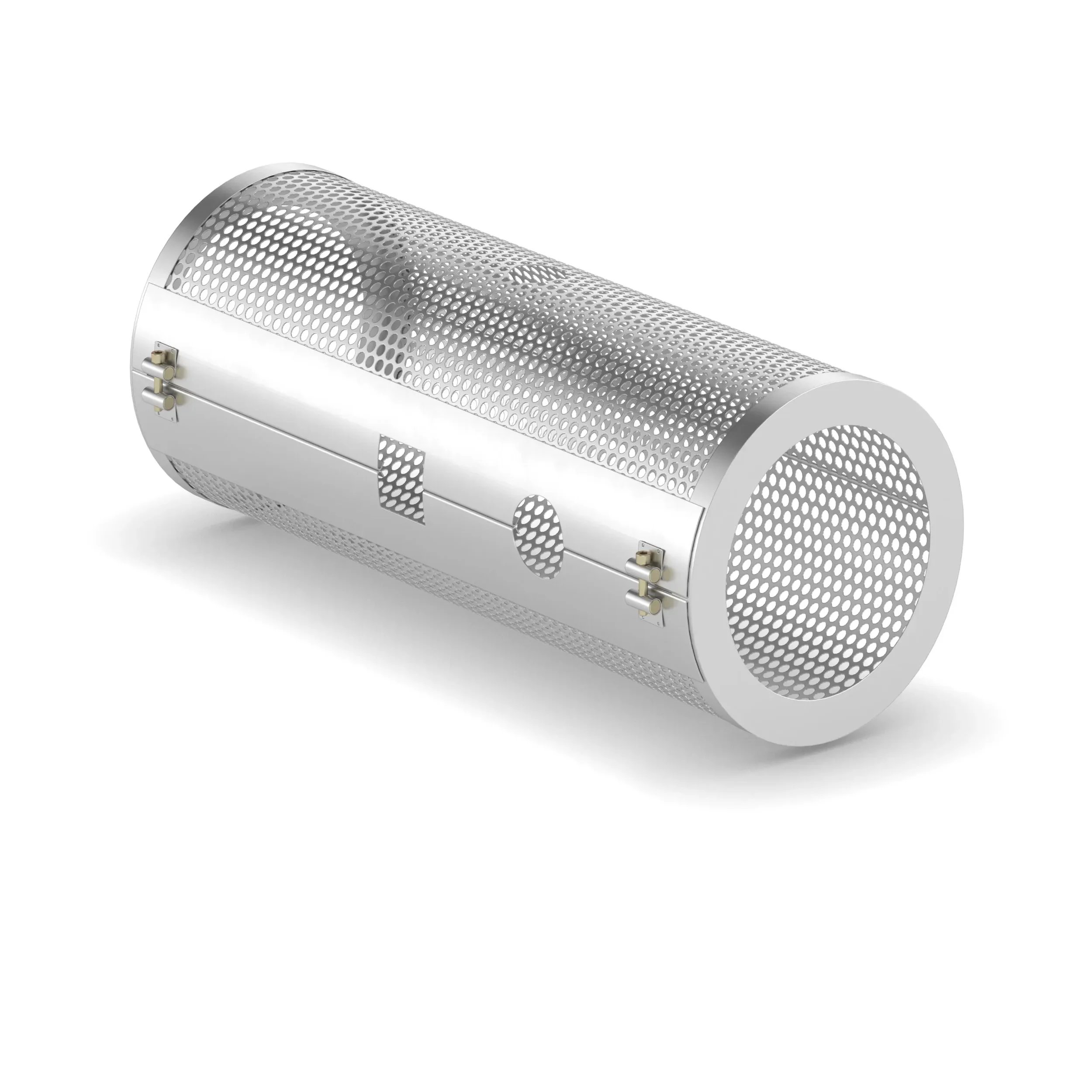
INSULATION CRANKCASE :
PROTEX
MIKAPLAST
RADIANT CALOR
Control panel
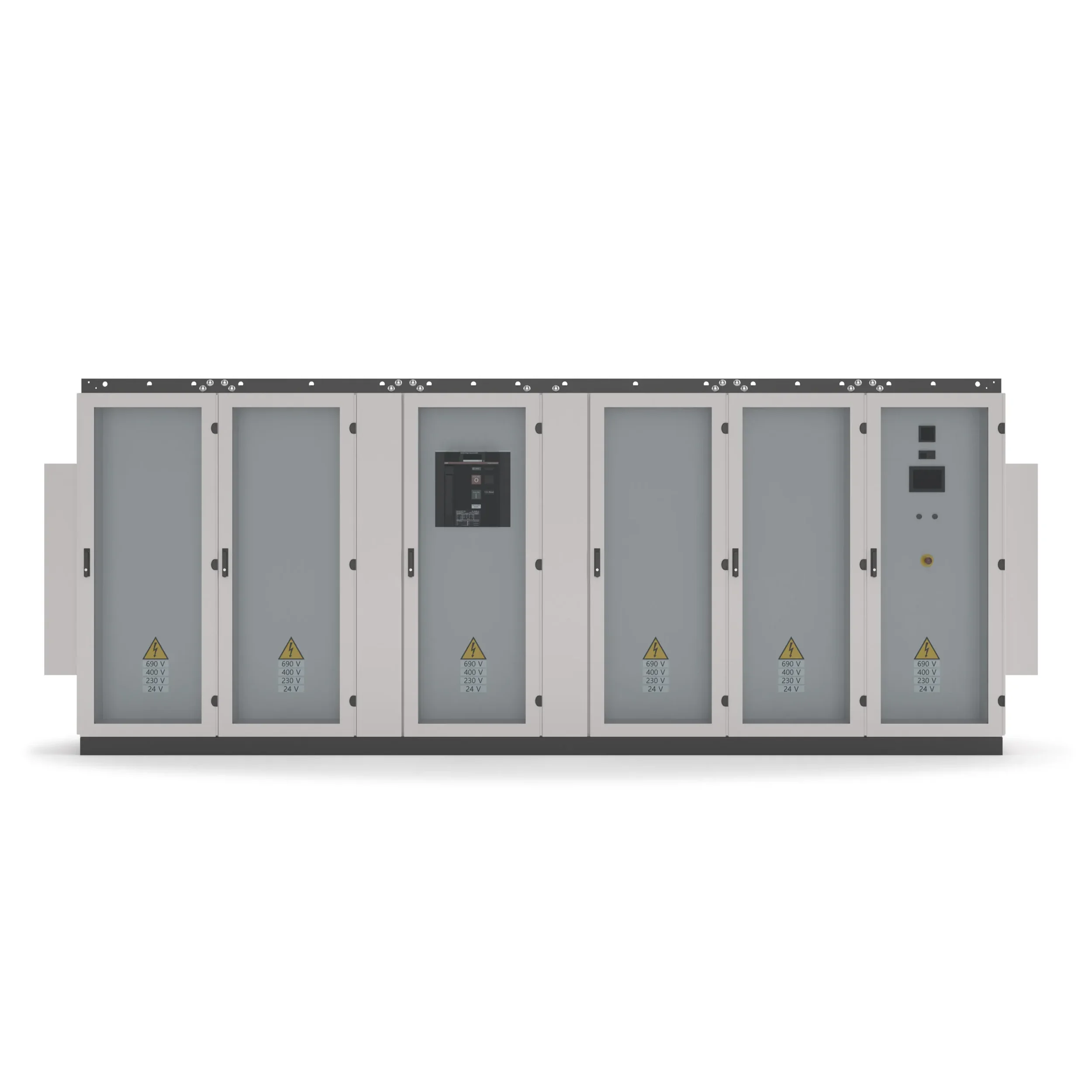
The electrical panels are designed to monitor and manage electric heaters and heat exchangers, meeting the technical requirements of the end user. They include temperature control systems and can interface with auxiliary equipment such as pumps, valves, and various sensors. PLCs and temperature controllers ensure continuous process monitoring via operator panels.
Built with stainless steel or carbon steel, the panels are suitable for harsh environments, providing up to IP66 protection and installation on skids, walls, or bases, including seismic areas.
They can be engineered for power levels up to several MW and certified according to local standards. Available certifications include CE, CSA (Field Evaluation), and UKCA for safe areas, and ATEX or IECEx for explosive zones, with Ex-d or Ex-p construction.
Masterwatt conducts complete functional tests, including simulations of interfaces with external customer systems.
SKID
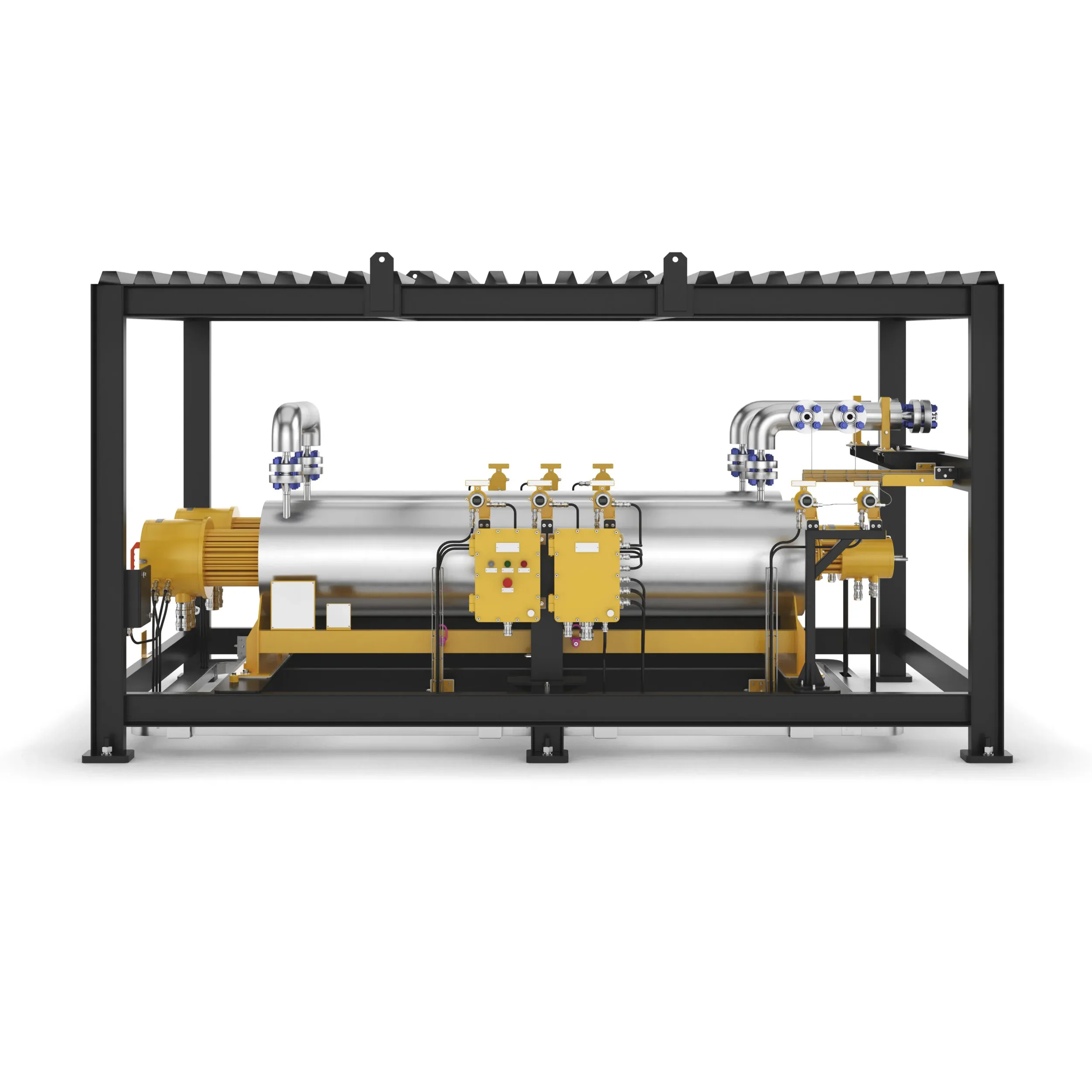
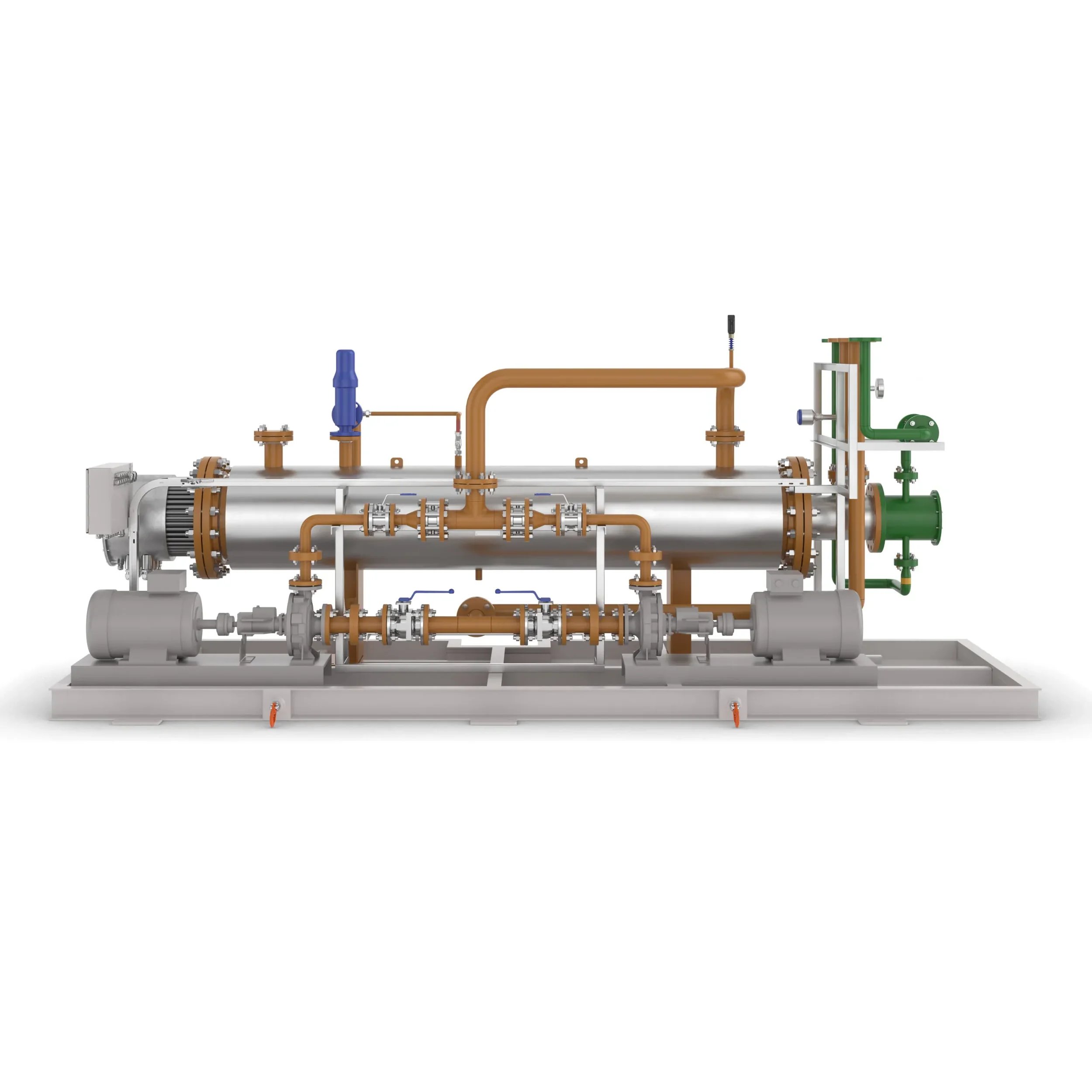
Masterwatt delivers fully integrated heating solutions through advanced SKID systems and turnkey PACKAGES designed for maximum reliability and performance.
Our configurable systems combine electric heat exchangers, electrically heated tanks, and air heaters, all engineered to work seamlessly together. Each package can be equipped with complete temperature and process control, featuring high‑precision electrical panels, sensors, valves, and protection levels from IP42 up to IP65.
To ensure durability in any environment, we offer a wide range of construction materials—including carbon steel, AISI 316 stainless steel, and premium options such as titanium for exceptional corrosion resistance or INCOLOY 800 for high‑temperature applications.
Masterwatt’s SKID systems can be certified to meet the most demanding global standards. Alongside hazardous‑area certifications like ATEX, IECEx, cCSAus, and INMETRO, we also provide compliance with the PED Directive and ASME (including U‑Stamp) for pressure equipment.
With Masterwatt, customers receive robust, ready‑to‑install solutions that simplify integration, ensure long-term reliability, and deliver high performance from day one.